

.jpg)





Lifestyle

Dr Jon Morley - Vitali Integral Health Centre in Die Vleie, Wilderness South Africa
Dr Jon Morley weighs in on The Future of Food
How Modern Diets Reflect Deeper Truths about our relationship with Food
Blending science with soul
Jonathan Morley is a fully licensed medical doctor based at Vitali Integral Health in Wilderness and has been in practice since 1994. His approach combines conventional medicine with natural therapies, nurturing and supporting whole-person wellness, lasting healing and empowered living.
contact details

Name: Dr. Jon Morley
Business phone: 044 889 0119
Mobile: 044 889 0119
Email Enquiry: info@vitali.co.za
How Do We Find What Truly
Nourishes Us - Mind, Body & Soul?
Personalised nutrition isn’t indulgent—it’s essential. Our nutritional needs are as diverse as our experiences, shaped by genetics, environment, lifestyle, and even our emotional relationship with food.
The challenge lies in tuning in to our bodies, listening to how food makes us feel, how it energises or depletes us, and connects us to our roots or shapes our thinking.
Dietary choices can have a profound impact on health and well-being, playing a crucial role in preventing and managing illnesses. The online world is filled with one-size-fits-all solutions. Creating new eating habits takes effort and commitment, but it should not govern our lives.
From “to eat or not to eat” to “you are what eats you,” our relationship with food teeters between identity and anxiety, nourishment, and fad diets that flood our daily feeds. Global trends battle local wisdom, and we find ourselves questioning whether man’s medicine is God’s bounty, and if health still sprouts from the soil.
In a society where one man’s superfood is another’s intolerance, dietary choices are increasingly personal, sometimes philosophical. Just like breathing and moving, eating is universal, yet our relationship with food is anything but simple.
There’s no singular path to wellness, no universal prescription stamped with success for every belief or body type.
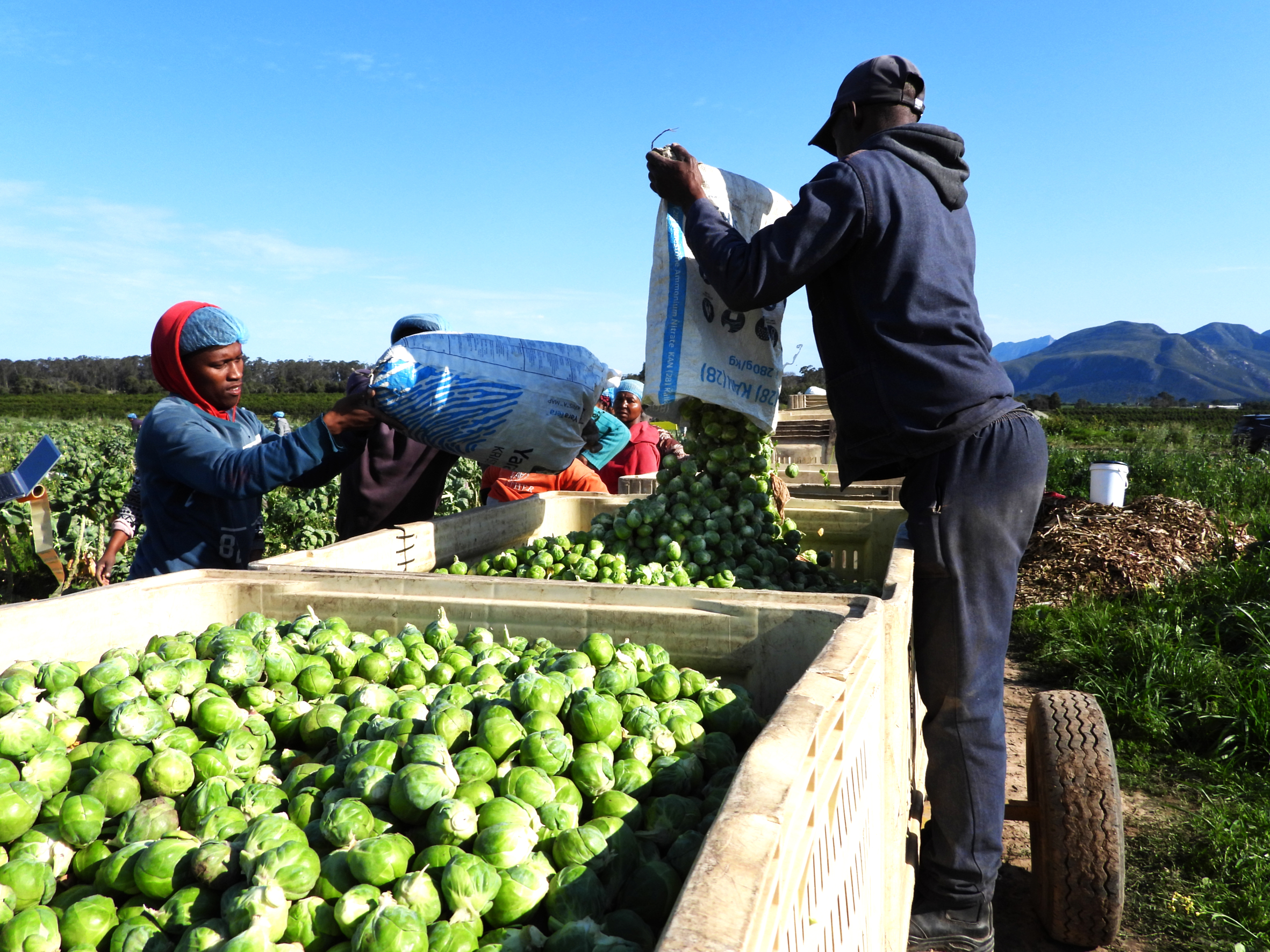
Gesondheid uit die grond uit.
Hippocrates advocated a balanced diet, recognising the body’s ability to heal when properly nourished. In nature, sunshine creates energy, using not only photosynthesis in plants, but also in the formation of vitamin D and its interaction with cholesterol.
Sunshine also activates cortisol release in the morning, promoting harmony with our body’s natural circadian rhythm and improving sleep. Optimal digestion and metabolism rely on an intricate balance of nutrients. Whatever we do, chew or swallow, requires an enormous complexity of enzymatic actions, each enzyme built from a supply of micro and macro nutrients found in our food. When our diet is more processed and nutrient-poor, enzymatic function declines, setting off an inevitable downward spiral of health and vitality, and people wonder why they are tired all the time.
While modern medical practices have a role to play, I find it startling how often patients are told by specialists, including oncologists, that diet makes no difference.
In 1963, John F. Kennedy said that man is ‘the most extraordinary computer of all.’ Today, that idea holds strong as geneticists explore the link between the human body-mind as a divinely designed, meticulously programmed complex system shaped by genetics, climate, and diet, suggesting that our metabolism can take centuries to adapt to new food sources driven by environmental change.
When one considers the bigger impact that our genes and climate play on our optimum diet and the associated metabolic harmony, it becomes much clearer why modern diet trends may only have short term benefit:
Our change to a new diet often takes place much later in life when health issues manifest and are only rigorously applied for a limited time, maybe 2 to 5 years. The short-term gains that we can achieve in this time, may lead to long-term concerns: nutrient deficiency, changes in gut biome, changes in biochemical processes like inflammation and immune activity.
Nutri-Genomics
Nutri-genomics is a growing field of information and research. Gene testing can be performed on an individual to determine the optimum nutritional and movement state in order to thrive and more accurately read nutrient level results in blood testing.
All blood markers, especially those related to nutrition and hormones, have wide reference ranges: having gene test results can help to determine what is optimum for an individual, rather than what is merely regarded as “normal”. As such, you may personally require far higher levels of Vitamin D than what is “average”, and upon reaching those levels, your presenting problem resolves.
As I alluded to earlier, any new diet should be carefully considered, wellness is a full-circle experience and effective dietary shifts require psychological, social, and physical and emotional evaluation with guidance and ongoing monitoring to ensure benefits outweigh risks.
Let’s not forget that we are complex, social, active, and emotional beings. To “be human” is to have a capacity for consciousness, empathy, creativity, resilience, emotion, and self-awareness. We seek meaning and purpose.
We are also very easily swayed and influenced by what we see “out there” on the internet or social media and need to be aware that what we’re doing related to our diet is truly in our best interest and not because its trendy.
Many allopathic practitioners remain dismissive or even prejudiced
toward alternative therapies or integrative approaches, overlooking
the profound impact nutrition can have on overall health and recovery.
 Bio-Hacking
Bio-hacking first gained traction through David Asprey, the Bulletproof Coffee Guy, exposing the limits of modern, conventional medicine.
If we use food as medicine, we need to appreciate that we use medicine at certain times for certain problems, and so we should also be open to changing our diet as or when needed.
Fortunately, we have individualised genetic testing available to us today.
Meat or Greens?
Let’s Talk about the Diets That Shape Our Minds, Bodies, and Values
Eating, like breathing, moving, and drinking, is universal.
Think global, act local.
One man’s meat is
another man’s poison.
What’s good for the goose,
ain’t good for the gander.
The Wheat & Dairy Dilemma:
When Fear Mimics Intolerance
While gluten- and lactose intolerance are real genetic issues for some, others grapple with reactions that fluctuate: some social settings evoke no discomfort, while others spark intense symptoms. This isn’t always a textbook intolerance, but rather about a stomach in knots, an anxious, reactive gut in disguise, and less likely to be about food and more about stress.
Carnivore
While the carnivore diet may support weight loss, muscle gain, better mental clarity, and the relief of metabolic challenges such as insulin resistance, your genes play a key role in how this approach is tolerated by you and there is a risk that this approach could silently activate a disease process years before symptoms emerge.
The obvious lack of fibre and polyphenols can be addressed through supplementation while the possible reduced intake of vitamin E, magnesium, potassium, vitamin C, folate may all set one up for nutrient imbalance and consequential blood vessel disease.
If your body struggles with metabolising saturated fats, the overconsumption of these will potentially trigger inflammation, oxidation leading to heart disease, diabetes, or cancer. An alternative to consider is a seafood-based approach that might offer a safer, more balanced alternative for genetically sensitive individuals.
Vegan
While the vegan diet offers numerous benefits in weight management, heart disease, cancer, and diabetes, it does have the downside of reduced vitamin B12 and iodine intake. It may be too rich in lectins or phytic acids causing digestive problems or inflammatory response in some people.
In my experience, most folk become vegan for moral and ethical reasons. An “Empath” or “Highly Sensitive Person” may be at significant risk of decreased stomach and intestinal enzyme secretion, struggling with the very diet that has been chosen for empathic reasons. Entwined in this engagement with life, is some type of stress, which has a negative impact on the digestion of this highly nutrient-dense and variable diet. The stress can lower stomach acid and digestive enzymes, leading to more reactions to the food itself: irritable bowel syndrome or “gut issues” and a growing fear of food, as so many foods start to seem to create negative reactions and one’s food choices become more restricted over time, leading to an increasingly limited diet.
 So, in the final analysis, is there an overall clear-cut “best diet” winner?
Yes: A “natural (lifestyle) diet”
Local, seasonal (fresh), varied whole food is the bottom line. And movement. And gratitude.
Imagine being a “cave-person” hunting or gathering….it involves constant moving, periods of pondering, times of sprinting, grappling, slowed and quiet movements, patience with the uncertainty of supply, and enormous gratitude for a successful “find”. How can you apply that notion to your idea of “diet”?
Consider an 80/20 diet: 80% cell-food, 20% soul-food. Whether you prefer 80% plant vs 20% animal/fish, or the other way around, remember that eating with gratitude has a far more positive impact on the body than eating the “perfect” food with fear.
It has been said that what makes up our experience of health or ill health is possibly only 10% due to our biology and 90% due to our biography, our story. So whichever diet we choose in the moment, let’s choose it uniquely, individually, and for the best reasons of joy, energy, and connection, with ourselves, our fellow humans, nature, and the environment.
- Copyright Attribution | Author - Photographer All Rights Reserved
- The views expressed by the author do not necessarily reflect the official policy of Garden Route 101